
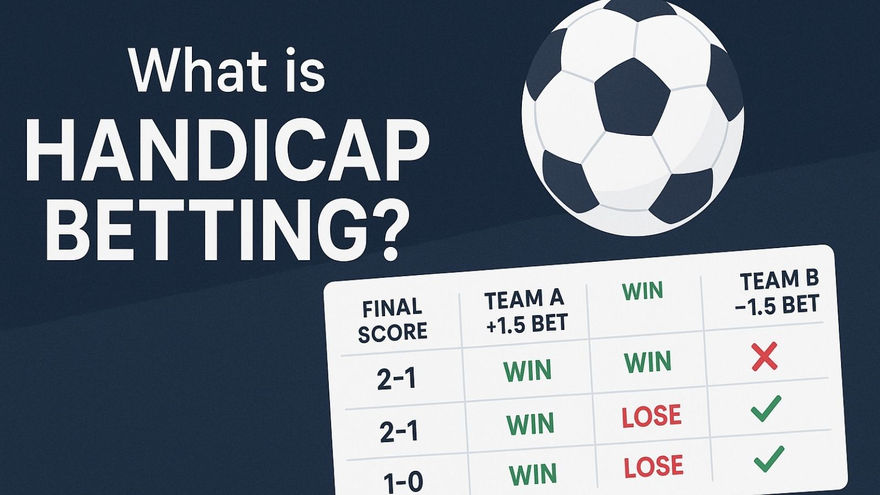
Handicap betting has experienced significant growth over the past decade, establishing itself as a cornerstone of strategic sports wagering. At its core, handicap betting is designed to level the playing field between two competing teams or athletes by assigning a virtual advantage or disadvantage. This system allows bettors to engage more deeply with matches that might otherwise appear one-sided, transforming predictable outcomes into opportunities for informed decision-making. Its rising popularity can be traced to several interconnected factors, including its appeal to analytical bettors, the evolution of technology, and the increasing sophistication of odds-making practices.
One of the most compelling reasons handicap betting continues to grow is its capacity to transform standard betting scenarios into more nuanced opportunities. Traditional win/loss betting often leaves little room for engagement when a mismatch is evident. For instance, a dominant football team facing a weaker opponent may yield a near-certain victory, leaving casual bettors with minimal intrigue. Handicap betting, by introducing a points-based or goal-based adjustment, shifts the narrative, offering bettors the chance to back either side based on deeper statistical analysis. This level of sophistication resonates particularly with strategic bettors who relish the challenge of weighing team form, player conditions, historical performance, and situational variables.
The analytical nature of handicap betting fosters a culture of research and preparation among bettors. Unlike simple bets, where intuition might dominate decision-making, handicap bets often require careful evaluation of data. Bettors study past match results, head-to-head records, injury reports, weather conditions, and even psychological factors that may influence performance. The complexity encourages informed choices, rewarding those who approach betting as a discipline rather than a gamble. As sports analytics has advanced, so too has the accessibility of data, enabling bettors to apply predictive models and probability analysis in real-time, thereby enhancing the appeal of handicap systems.
Technology has played a pivotal role in expanding the reach of handicap betting. Online betting platforms have streamlined access to detailed statistics, live updates, and dynamic odds adjustments. Bettors no longer need to rely solely on newspapers or static information; instead, real-time data feeds empower users to make informed decisions before and during matches. Mobile applications further facilitate engagement, offering push notifications for line changes and enabling in-play betting that adjusts handicaps dynamically. This immediacy and interactivity transform betting into an immersive experience, making handicap markets more attractive compared to traditional, static wagers.
Another factor driving growth is the adaptability of handicap systems across multiple sports and markets. While football is often the most recognized domain for Asian and European handicap betting, the principles are easily applied to basketball, tennis, rugby, and even niche sports. By offering point spreads, handicap lines, or virtual deficits, bookmakers can balance perceived mismatches, thereby maintaining interest in events that might otherwise attract limited wagers. This versatility not only benefits bettors seeking variety but also allows operators to sustain engagement across a broad portfolio of sporting events.
Market dynamics and bookmaker innovation have also contributed to the proliferation of handicap betting. Bookmakers continuously refine handicap lines based on betting patterns, statistical models, and market sentiment. The competitive environment ensures that odds remain attractive and fair, reducing the risk of disproportionate losses for both operators and bettors. Additionally, marketing strategies highlight handicap markets as strategic alternatives to conventional bets, encouraging both experienced and novice bettors to explore more calculated betting opportunities. Over time, this educational approach fosters a community of players who appreciate and understand the nuances of handicapped wagering.
Psychological factors further underpin the popularity of handicap betting. Bettors are naturally drawn to scenarios that appear balanced, even if only artificially so. A close, competitive match feels more engaging than a guaranteed outcome, and handicap betting simulates this competitive tension. The perceived fairness of an adjusted scoreline can reduce the frustration of backing a strong favorite or the disinterest of a mismatch, enhancing the emotional satisfaction of successful wagers. Furthermore, handicaps introduce a sense of control; knowledgeable bettors feel they can exploit statistical advantages, turning chance into calculated risk.
Social and cultural trends also play a role in the expansion of handicap betting. Online communities, forums, and social media platforms enable sharing of strategies, insights, and tips. Bettors exchange information about effective handicap strategies, creating a feedback loop that educates and empowers new participants. Influencers and expert analysts further normalize strategic betting, presenting handicap markets as a legitimate arena for skill-based prediction rather than pure luck. The cultural shift toward data-driven decision-making in sports fandom aligns perfectly with the principles of handicapped wagering, making it an intuitive choice for modern bettors.
Finally, the regulatory environment has indirectly supported the growth of handicap betting. In jurisdictions where sports betting is legal and regulated, operators must ensure transparency and fairness. Handicap betting, by its nature, provides structured odds adjustments that are publicly accessible, reducing ambiguity and enhancing bettor confidence. The availability of regulated platforms, along with responsible gambling initiatives, reassures participants that their wagers are secure, fostering trust and encouraging continued engagement with handicap markets.
In conclusion, the growth of handicap betting is fueled by a combination of strategic depth, technological advancement, market versatility, psychological engagement, social validation, and regulatory confidence. By transforming predictable contests into analytical challenges, providing dynamic tools for decision-making, and appealing to both rational and emotional motivators, handicap betting has carved a unique niche in the sports wagering landscape. As technology and sports analytics continue to evolve, and as bettors increasingly seek engaging and skill-based opportunities, handicap betting is likely to maintain its trajectory of growth, solidifying its position as a cornerstone of modern sports gambling.


Leave a Reply