
Casino regulation is more than a legal formality; it is the backbone of a trustworthy and sustainable gaming industry. In markets around the world, regulation serves as a signal of credibility, ensuring that both operators and players operate under a framework that promotes fairness, transparency, and responsible behavior. The presence of robust regulatory oversight reassures participants that games are conducted honestly and that operators are held accountable for their actions. Without such oversight, the market becomes susceptible to unethical practices, fraud, and the erosion of consumer confidence, which can ultimately hinder growth and innovation.
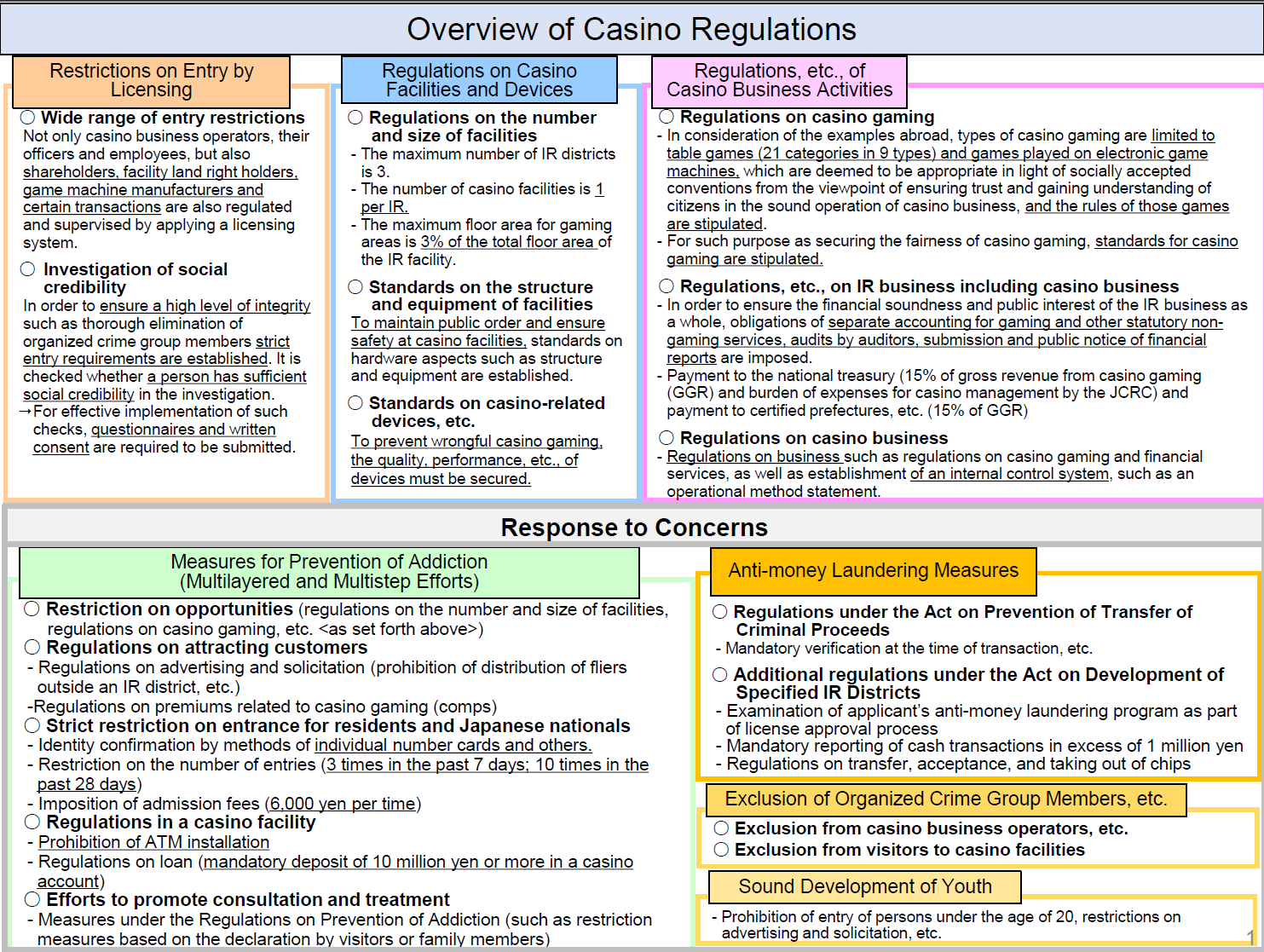
At its core, regulation establishes a level playing field. By defining clear rules for licensing, operational standards, and reporting requirements, regulatory bodies prevent the dominance of unscrupulous operators who might otherwise manipulate outcomes or exploit players. This consistency allows legitimate casinos to compete on the basis of service quality, game variety, and user experience, rather than on who can bend or bypass rules most effectively. For players, this means entering an environment where the odds are fair, payouts are reliable, and the risk of encountering malpractice is minimized. A market perceived as fair attracts more participants, and with increased player engagement comes greater revenue stability for operators, reinforcing the overall credibility of the ecosystem.
Transparency is another critical pillar that regulation enforces. Licensed casinos are often required to disclose operational data, such as the return-to-player (RTP) percentages for games, financial health indicators, and measures taken to prevent problem gambling. Such disclosures enable players to make informed choices, fostering trust in the operator and the market at large. Regulators may also mandate independent auditing of software and random number generators, providing additional assurance that games are truly random and free from manipulation. These transparency measures serve a dual purpose: they protect the consumer while also enhancing the market’s reputation, signaling to investors, stakeholders, and potential entrants that the industry is governed responsibly.
Consumer protection is inseparable from regulatory credibility. Effective regulation ensures that operators have mechanisms in place for dispute resolution, responsible gaming, and the safeguarding of player funds. Segregated accounts for player deposits, mandatory verification procedures, and caps on maximum bets are all examples of how regulatory frameworks reduce risk and protect vulnerable participants. By embedding these safeguards into the operational fabric of casinos, regulators not only reduce the likelihood of disputes but also strengthen player confidence in the market. When players trust that their money and personal information are secure, they are more likely to engage in repeated play, participate in loyalty programs, and recommend the platform to others, further reinforcing market credibility.
The impact of regulation extends beyond the domestic sphere. In a globalized industry, international standards and compliance certifications can serve as powerful signals of credibility. Casinos that adhere to well-recognized regulatory frameworks, whether in jurisdictions like Malta, Gibraltar, or the United Kingdom, often enjoy easier access to cross-border partnerships and player bases. International recognition provides a competitive edge, as players increasingly seek platforms that meet rigorous standards and offer reassurance against fraud. Conversely, unregulated markets or operators in jurisdictions with lax oversight often face skepticism, limiting their growth potential and undermining the broader perception of legitimacy within the sector.
Market stability is another outcome directly tied to regulation. By requiring operators to maintain minimum financial reserves, submit regular reports, and implement responsible governance structures, regulators reduce the risk of sudden insolvency or abrupt closures that could disrupt the industry. This stability benefits all stakeholders—players, employees, investors, and associated businesses—by providing a predictable and secure environment. Investors, in particular, are more inclined to inject capital into markets where regulatory frameworks minimize uncertainty and enforce compliance, fostering long-term growth. Stability also encourages innovation, as operators can focus on improving offerings rather than constantly managing legal risks or attempting to exploit regulatory loopholes.
Regulation also plays a crucial role in shaping industry culture. By setting standards for ethical behavior, responsible marketing, and social responsibility, regulators influence how operators interact with their communities. Initiatives such as self-exclusion programs, advertising restrictions, and contributions to problem gambling research reinforce the perception that the industry is committed to more than just profit. This cultural reinforcement creates a virtuous cycle: as operators adopt responsible practices, players feel safer, markets gain credibility, and regulatory frameworks gain legitimacy. Over time, this alignment between regulation and operator behavior strengthens the reputation of the industry as a whole.
Technological innovation is increasingly intertwined with regulatory oversight. Modern casinos employ advanced analytics, AI-driven monitoring, and secure payment systems to enhance player experience and ensure compliance. Regulators often mandate the implementation of these technologies to detect unusual patterns, prevent fraud, and safeguard sensitive data. By enforcing technological standards, regulation ensures that operators not only meet legal requirements but also adopt best practices in security and operational efficiency. This adoption of technology under regulatory guidance contributes to the perception of a professional, credible, and forward-looking market.
Ultimately, casino regulation serves as a signal to the world that the market is reliable, transparent, and ethical. Players, investors, and industry partners are more likely to engage in environments where oversight is visible and effective. Regulation reduces risk, enhances fairness, fosters transparency, and ensures responsible operator behavior, creating a foundation upon which market credibility is built and sustained. A well-regulated casino industry is not only a safer and more enjoyable space for players but also a resilient and attractive market for investment, innovation, and growth. By committing to robust regulation, jurisdictions signal their dedication to protecting participants, maintaining ethical standards, and nurturing an ecosystem where both operators and players can thrive with confidence.



Leave a Reply