
Bettors in the modern gambling landscape are constantly seeking an edge, looking for ways to turn probability into profit. One of the most effective strategies lies in identifying inefficient odds. These are situations where bookmakers’ odds do not accurately reflect the true probability of an event occurring. Recognizing these discrepancies can provide a consistent advantage, but it requires a deep understanding of both statistical modeling and the betting market itself.
Inefficient odds arise because bookmakers are not purely interested in setting perfectly accurate odds. Their primary goal is to balance their books and guarantee a profit regardless of the outcome. They achieve this by adjusting odds to manage their risk and attract bets across all possible outcomes. This inherent conflict between market efficiency and profit motive creates opportunities for informed bettors to exploit mismatches.
The first step in identifying inefficient odds is understanding implied probability. Every set of odds corresponds to a probability that an event will occur. For example, decimal odds of 2.00 imply a 50% chance, while odds of 3.00 suggest a 33.3% probability. Bettors can convert odds into implied probability using straightforward formulas, allowing them to compare the bookmaker’s perspective with their own assessment based on research, statistics, or predictive models.
Developing a personal model or system is crucial. Successful bettors often use historical data to predict outcomes more accurately than bookmakers. This could involve analyzing team performance trends, player statistics, weather conditions, or other factors relevant to the specific sport or event. The goal is to produce an estimate of probability that differs meaningfully from the bookmaker’s implied probability. When a bettor’s calculated probability suggests that the event is more likely than the odds indicate, this is an inefficient line and a potential betting opportunity.
Market movements also signal inefficiencies. Odds fluctuate based on betting volume and bookmaker adjustments. Sharp bettors—those with significant expertise—can influence the market by placing large bets on undervalued outcomes. Monitoring line movement can provide clues about where inefficiencies might exist. If the odds move in one direction without new information that justifies the change, it may indicate that the bookmaker is responding to betting pressure rather than actual probability, creating a potential edge.
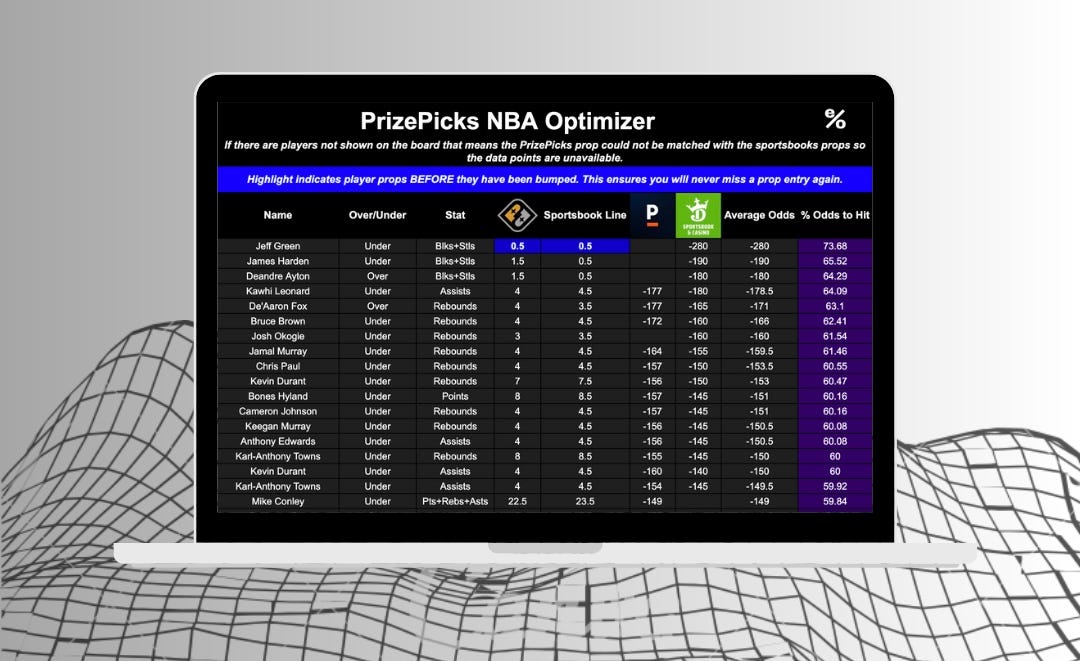
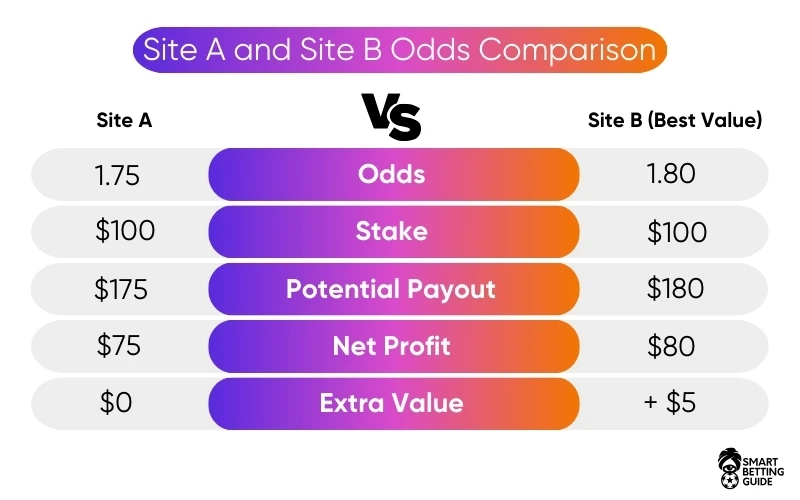
Comparing odds across multiple bookmakers is another key technique. Different sportsbooks may interpret information differently, leading to variations in odds for the same event. By shopping for the best odds, bettors can maximize value and exploit minor discrepancies. Even a few percentage points of difference can compound over time, enhancing long-term profitability. This requires maintaining accounts across several platforms and consistently monitoring odds to capture these opportunities before they disappear.
Advanced bettors also employ statistical metrics and betting models. In sports like football or basketball, models might include expected goals, possession percentages, or player efficiency ratings. In horse racing, handicapping models consider track conditions, past performance, and jockey statistics. These models allow bettors to assign a probability to each outcome, which can then be compared to the implied probability in the market. A discrepancy indicates potential inefficiency.
Behavioral economics also plays a role. Bookmakers often adjust odds based on public perception rather than true probabilities. Popular teams or players attract more bets regardless of their actual likelihood of winning. This “public bias” creates systematic inefficiencies. For instance, an underdog team with lower betting interest may have higher potential value because the odds overestimate the favorite’s chances. Savvy bettors recognize these patterns and place bets that exploit the collective misjudgment of the market.
Risk management is intertwined with identifying inefficient odds. Even when a bettor finds a value opportunity, it does not guarantee success. Losses are inevitable, and only disciplined bankroll management ensures sustainability. Many professionals use staking plans, such as flat betting or proportional betting based on perceived edge, to mitigate risk while maximizing long-term returns. Understanding variance and preparing for losing streaks is essential, as inefficient odds only improve expected value over the long run rather than providing immediate wins.
Technology and data analytics have revolutionized the ability to identify inefficient odds. Software tools can aggregate odds, track line movements, and apply predictive models automatically. Machine learning algorithms analyze vast datasets to uncover patterns that human bettors might miss. Automation allows for faster reaction to market inefficiencies, especially in fast-moving betting markets where timing can be critical. However, technology alone is insufficient without a deep understanding of the underlying probabilities and a critical approach to interpreting results.
Professional bettors often combine several methods for maximum efficiency. They use data-driven models, monitor market trends, exploit public biases, and shop across multiple bookmakers. By triangulating information from various sources, they improve the accuracy of their probability assessments and increase the likelihood of identifying profitable inefficiencies. Discipline and patience are essential, as opportunities may be infrequent, and reckless betting can erode capital before an edge materializes.
Understanding context is vital as well. Certain events or markets are more prone to inefficiencies due to lower liquidity or limited analytical coverage. Niche sports, minor leagues, or emerging markets may have less accurate odds because bookmakers invest fewer resources in these areas. Bettors who specialize in these markets can gain an advantage by leveraging superior research and insights. Conversely, high-profile events tend to attract more attention, making odds more efficient and harder to exploit.
Ultimately, identifying inefficient odds is both an art and a science. It requires mathematical skill, strategic thinking, psychological awareness, and market observation. Success depends on combining quantitative analysis with an understanding of human behavior and bookmaker strategies. Over time, bettors who consistently identify value and apply disciplined risk management can turn inefficiencies into sustained profit, demonstrating the power of insight in an industry often dominated by perception and probability.




Leave a Reply